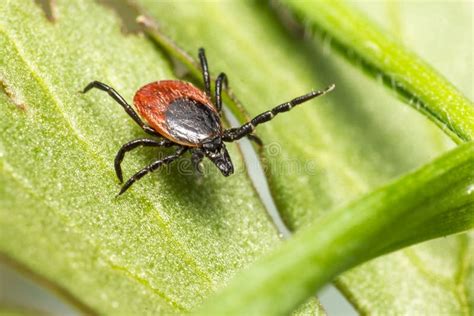
The long grasses and damp conditions of the Tufa Field, together with the itinerant Deer population, make an ideal habitat for Ticks. There are 20 species of Tick in the UK, but the most prevalent is Ixodes Ricinus , otherwise known as the Deer Tick. In the summer months this tick is abundant at the Tufa Field (although can be present at any time of the year) which for mammals means the likelihood of tick ‘bites’.
The tick has a lifecycle that means it requires sustenance in the form of blood at each stage of development. It gets this by being extremely sensitive to the presence of a mammal through combinations of body heat detection and carbon dioxide exhalation.
Ticks do not jump or fly, rather they climb to the top of tall vegetation waiting for a passing mammal to catch on their hooked front legs. They then seek out the likeliest feeding spot (legs and groins in human adults, arms and neck in children) before extending needle-like legs into the skin. Once attached they grip tenaciously until the feeding cycle is complete.
At the Larval stage, ticks seek small mammals and birds to feed on, and following pupation and emerging of the adult stage, larger mammals such as deer, domestic pets and us!. The feeding cycle involves taking one large meal of blood, such that the tick can grow to many times its original size ( perhaps as large as a small pea) then dropping off to find a mate/lay eggs before dying. In the larval stage ticks can be the size of a poppy seed, so difficult to spot.
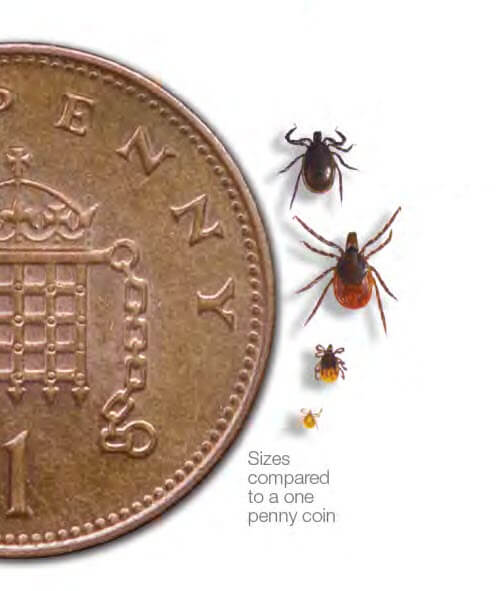
Ticks need high humidity to survive when not feeding, so hot dry spells will reduce numbers. Equally, cool damp conditions will promote them.
Tick-borne Diseases in Pets and Humans
While the bite of a tick is annoying, leaving at least an itchy rash, the real problem for us and our pets is the risk of disease transmission. Ticks can carry a range of diseases, picked up from animals or humans carrying such diseases. These can be bacterial or viral in nature, with the most dangerous being Lyme disease. Information about this potentially fatal or life-changing disease can be found here, or here at the NHS for humans and here for pets. This bacterial disease is slow to present, perhaps up to 3 months after the original bite.
To minimise the risk of infection it is important to only use a proper tick removal tool when removing them..
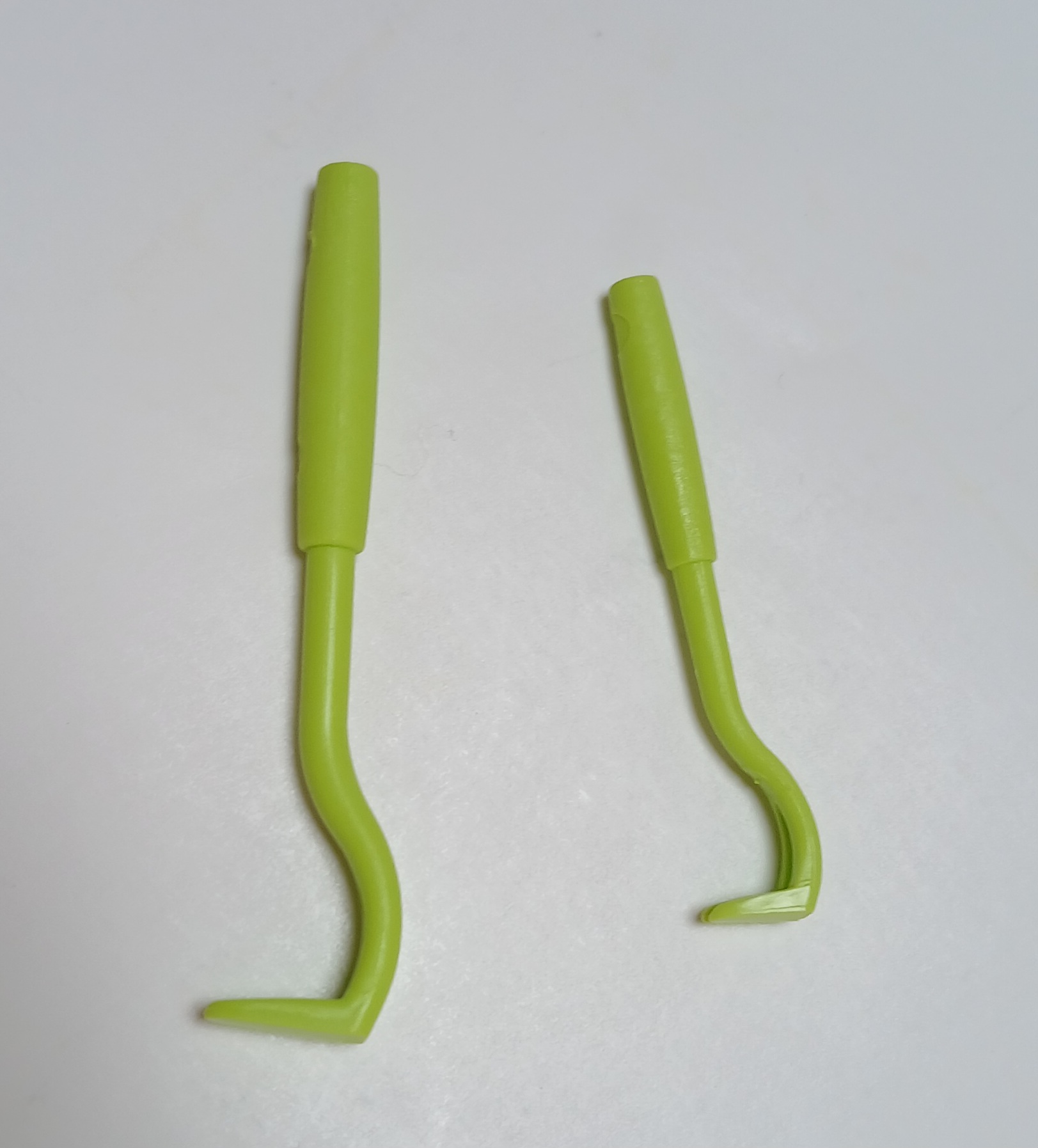
Squashing or pulling at an attached tick risks spilling the contents of the tick’s blood-meal into your bloodstream, or leaving a partial body which can decay and cause further infection, even sepsis.
Preventing Tick Bites
It is slightly ironic that community attempts to preserve and enhance habitats by encouraging long grasses and tall native plants to grow may inadvertently increase the risk of tick bites to humans and pets.
Prevention being better than cure here are some rules to minimise the risk of tick bites.
- walk on clearly defined paths or mown sections of grass to avoid brushing against vegetation where ticks may be present
- wear light coloured clothing so that ticks crawling on clothing can be spotted and brushed off
- use an insect repellent that can repel ticks and prevent them from climbing onto clothing or attaching to the skin (always follow the manufacturer’s guidance)
- wear long trousers and long sleeved tops to reduce the direct exposure of ticks to your skin, making it more difficult for them to find a suitable area to attach
- check pets regularly to prevent transfer to you
N.B. The Tufa Field is not accessible to the general public. Contractors and workers should note the above precautions.





 Total views : 183872

Leave a Reply