Page 5 of 10
The Tufa Field continues to be an important food resource for our birds. This buzzard is a regular visitor. And for our smaller birds, a tasty caterpillar is always welcome. – A reminder that all things in the natural world… Continue Reading →
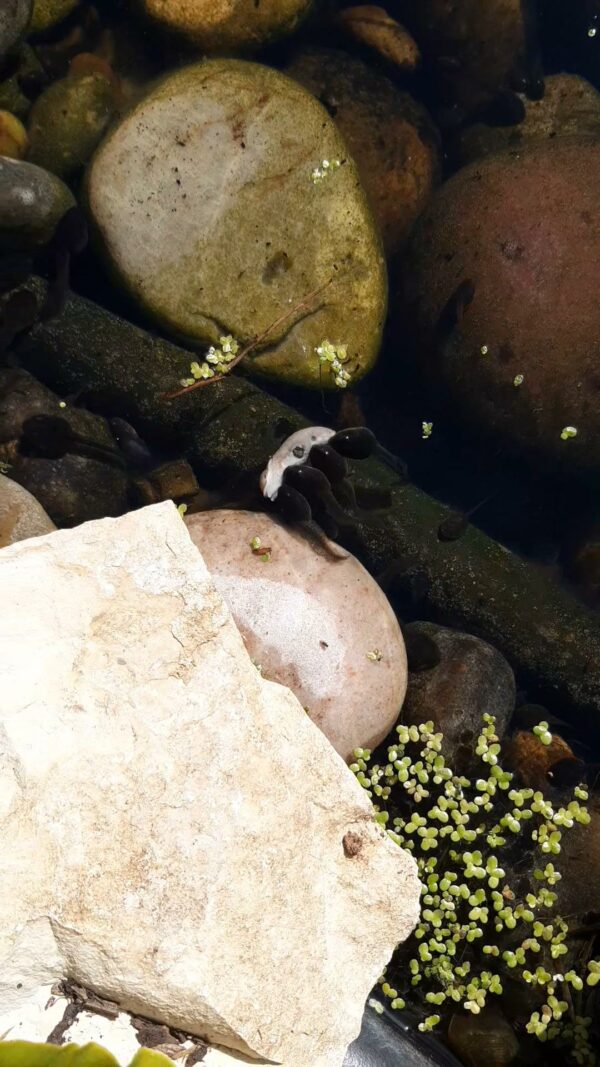
Garden ponds and water form an important link in the Tufa Field. Amphibians in particular need wet grass to move around. It’s perhaps not so well known that many amphibians spend more time out of the water than in, usually… Continue Reading →
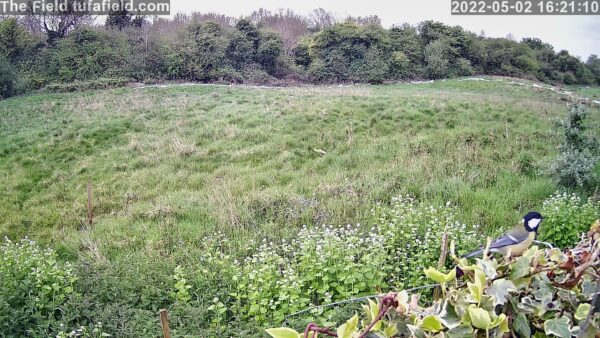
Just a reminder that now is optimum dawn chorus time. You can watch and listen on our live camera, or if you can’t wake up that early, listen to our recording from last year. Or just close your eyes, relax… Continue Reading →
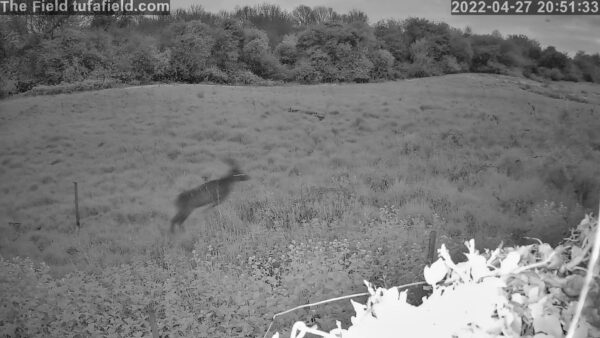
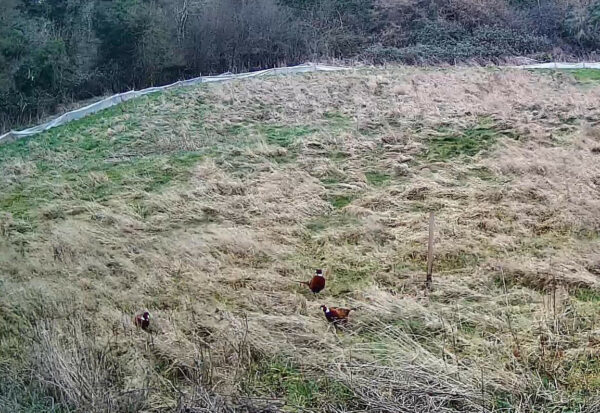
Left alone, the field ecology develops at its own pace and in its own way. Last year was a year of recovery after the brush-cutting, which left a lot of debris and damaged plants. The long grass grew up, creating… Continue Reading →
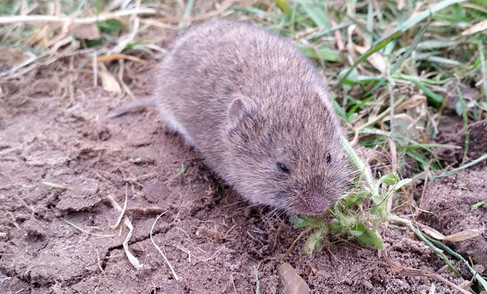
The Eastern end of the Tufa Field contains one of the last patches of Rough Pasture in Bath. This special habitat contains long grasses and sedges that becomes host to many small mammals and insects. Rough Pasture is increasingly rare,… Continue Reading →
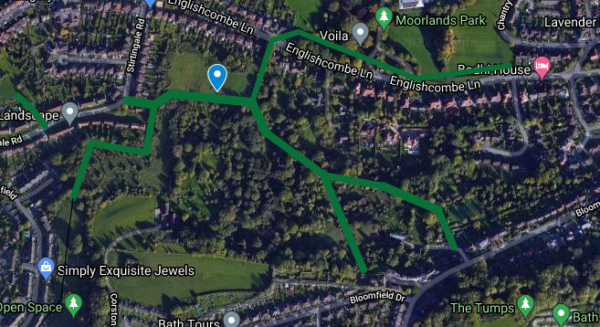
The plight of the Tufa Field, its uncertain future and our now permanent change of attitude to the world around us brought about by Covid-19 requires that we pay much more attention to our use of green spaces. Making these… Continue Reading →
This is the third in a series of posts about traffic volumes and speeding in Englishcombe Lane. This time we focus on the survey analysis and the wider debate around 20mph zones. The dialogue with the Council continues and here… Continue Reading →
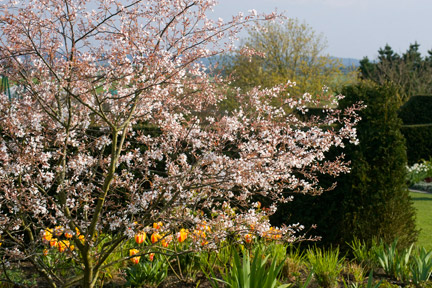
Autumn is the traditional and best time to plant new trees. The soil is still relatively warm, the winter rains will ensure the plant doesn’t dry out, and natural dormancy allows roots to grow without stress. We are encouraged to… Continue Reading →