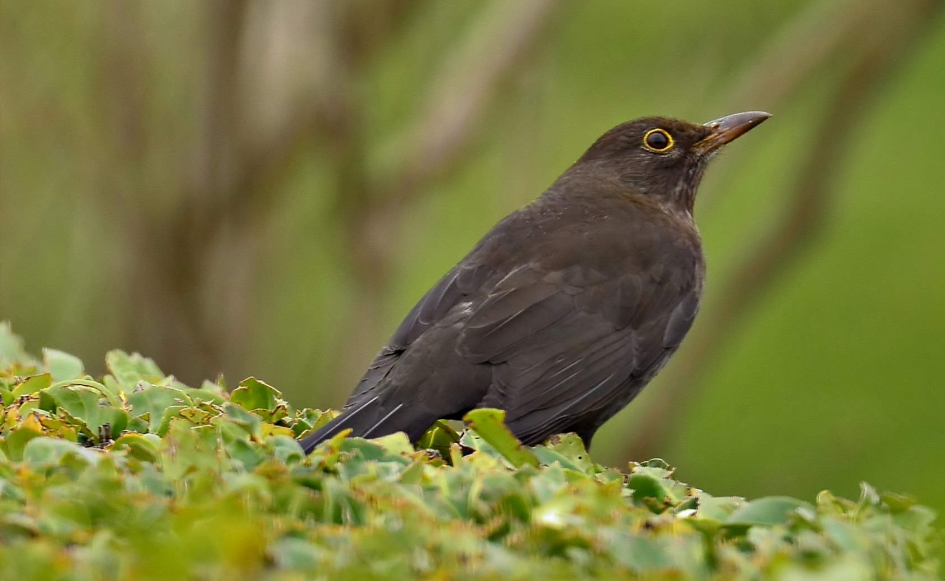
We are all familiar with birds nesting and their choice of nesting sites, but what about everyday living? Where do birds roost, and how important is it to know about these places?
A new study from the University of Gloucester seeks to shed some light on this.
First some bird facts.
Most UK garden birds (“small brown birds”) are diurnal, i.e. they are not able to see in the dark. So they must sleep during the hours of darkness, and find sites that are safe and weather resistant. In the depths of Winter, this means finding somewhere for up to 16 hours that is sheltered from the worst of the weather, and safe from predators, especially domestic cats that kill 40-70 million garden birds each year.
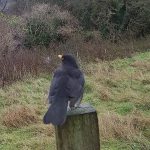
There are obvious exceptions to this such as Owls that hunt at night, but generally other birds must seek shelter for long periods.
The University of Gloucester study shows that small birds tend to roost within 6 metres of the ground, and in a small restricted area every night. So a favourite bush or small dense tree will see the same birds repeatedly.
The situation is complicated for urban birds and the effect of street, industrial and domestic lighting.
It is very common for birds to be awoken by, for example, the triggering of a security light, then having to retreat when the light goes off. Some birds take advantage of this lighting and on less cold nights you may see blackbirds out under street lights.
So what are the best cover plants and how can we help?
It turns out that the sometimes much-maligned Laurel (Laurus Nobilis) is a favourite of many small birds, providing security and some protection from wind and rain.
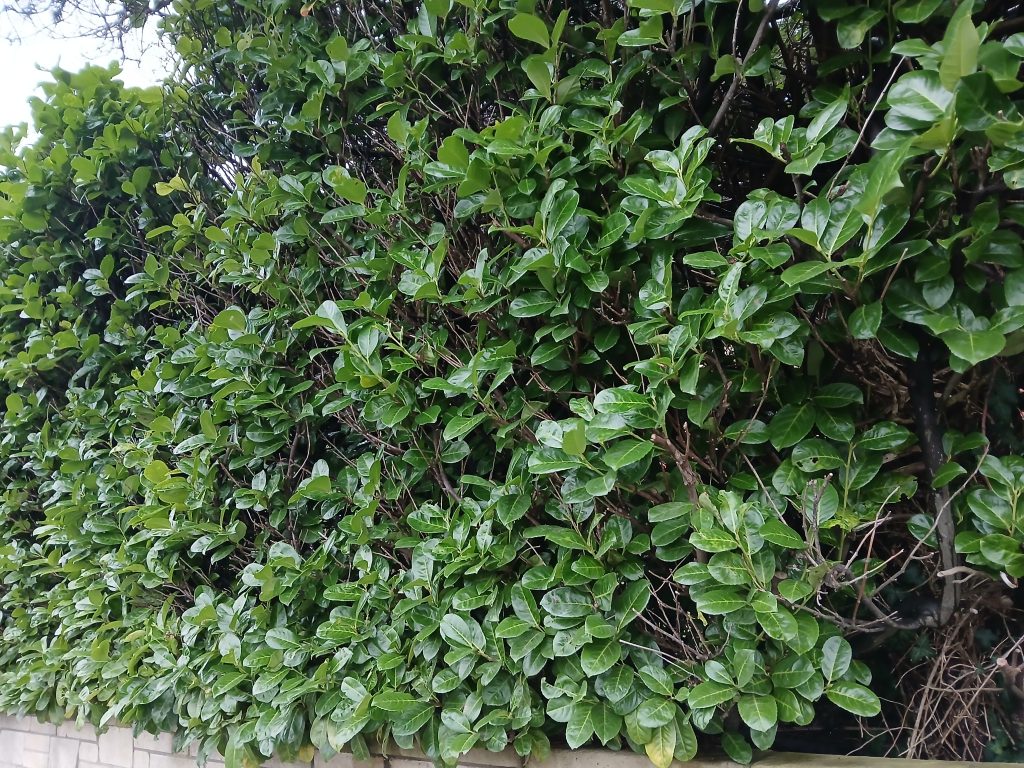
Similarly, dense bramble patches, small conifers, sycamore, ivy bushes and hawthorn are also popular.
So in our gardens and parks, we can help by worrying less about ‘overgrown untidy undergrowth’ and celebrating these habitats as bird roosts. Don’t rush to hack away at those growths especially in deepest winter. Wait until new growth on other plants in the spring can provide alternative cover, when the nights are shorter and weather better,. And if you have evergreen shrubs in your garden, so much the better.
In the Tufa Field, we have lots of this cover, providing a rich habitat for the garden birds and many other creatures we like to see. It will be a challenge to maintain this during and after the building process and we will keep a close eye on local bird numbers to see if there is any permanent damage from the destruction of this habitat.
As for that out-of-fashion Laurel hedge? Just tell everyone it’s a bird hotel!




 Total views : 184115

Leave a Reply